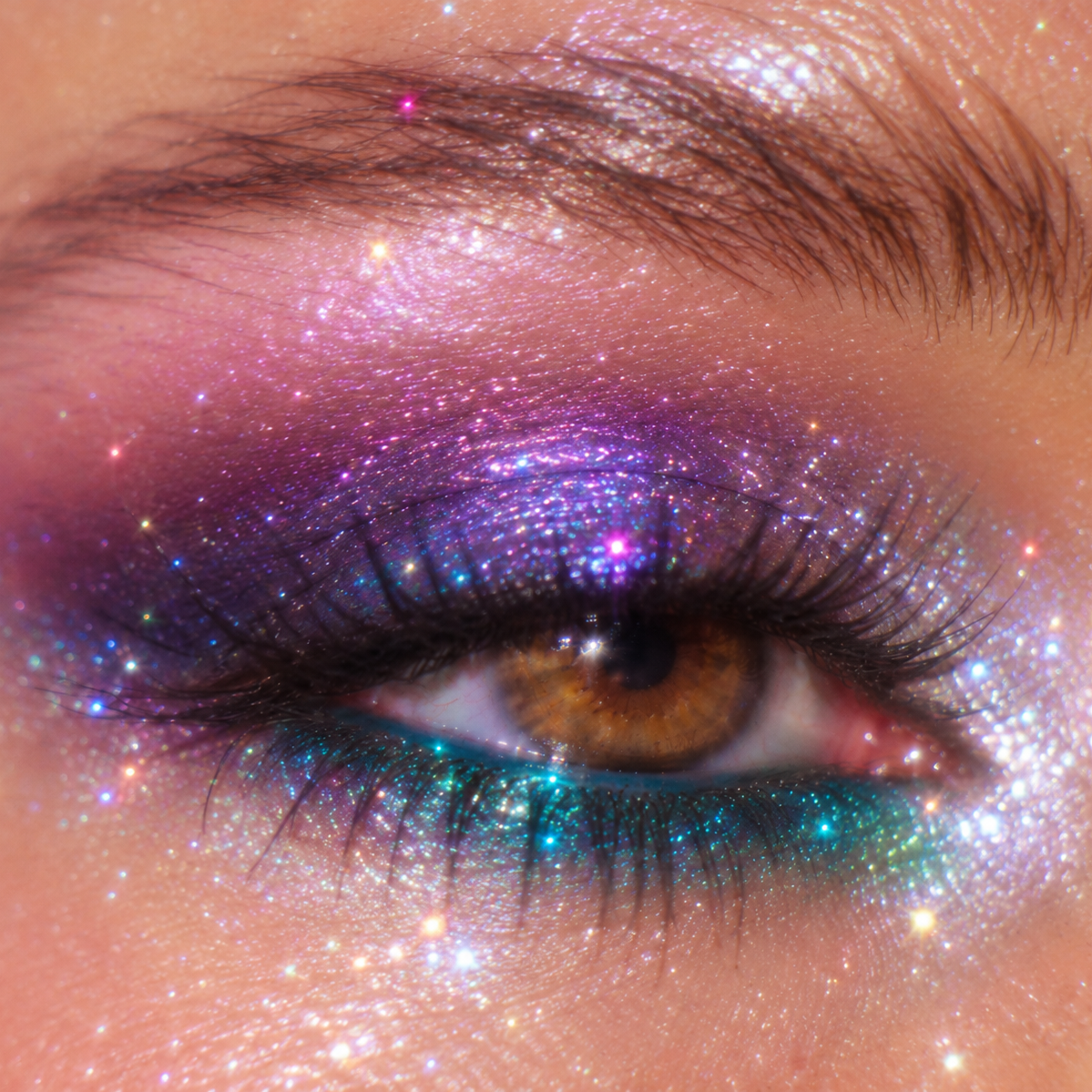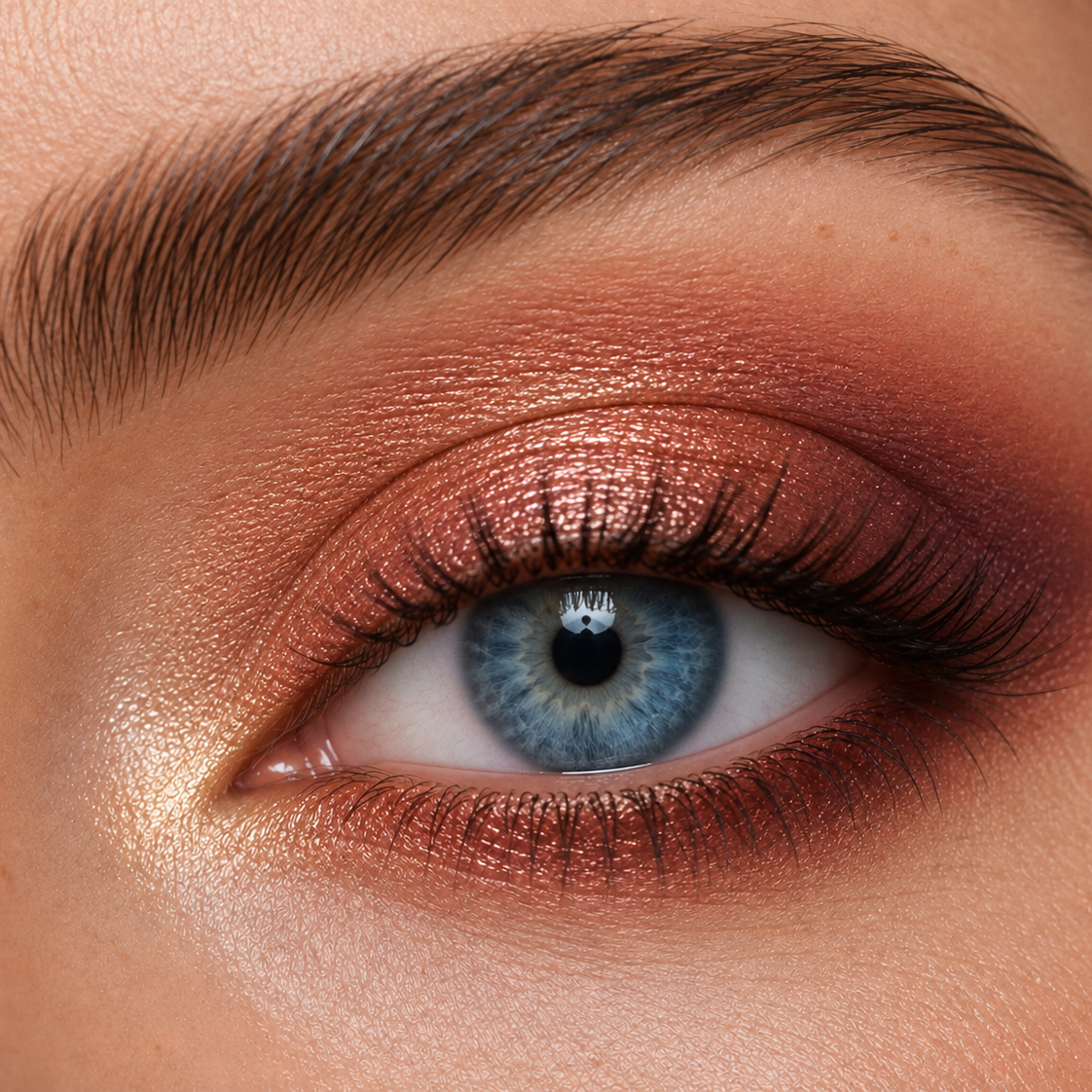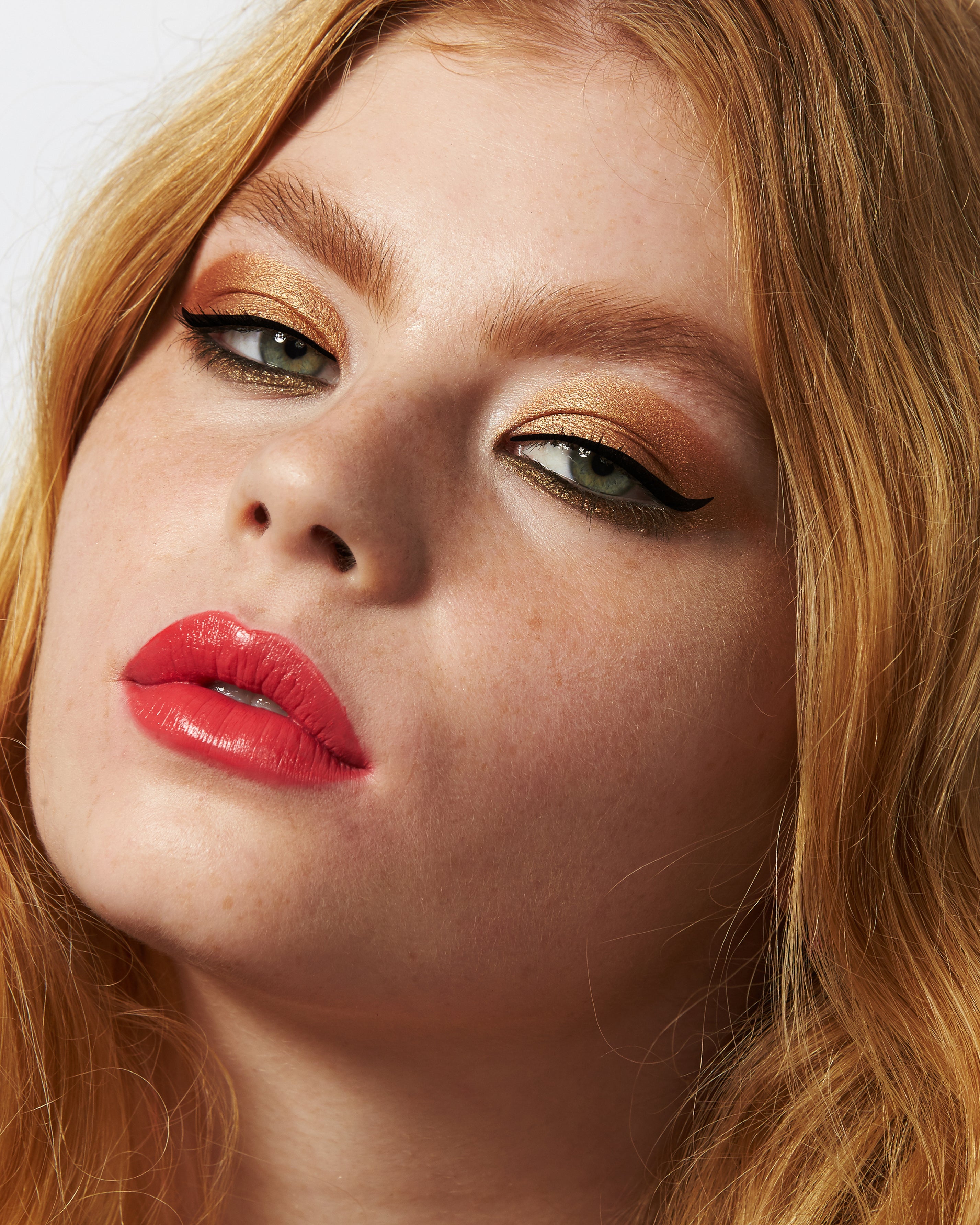
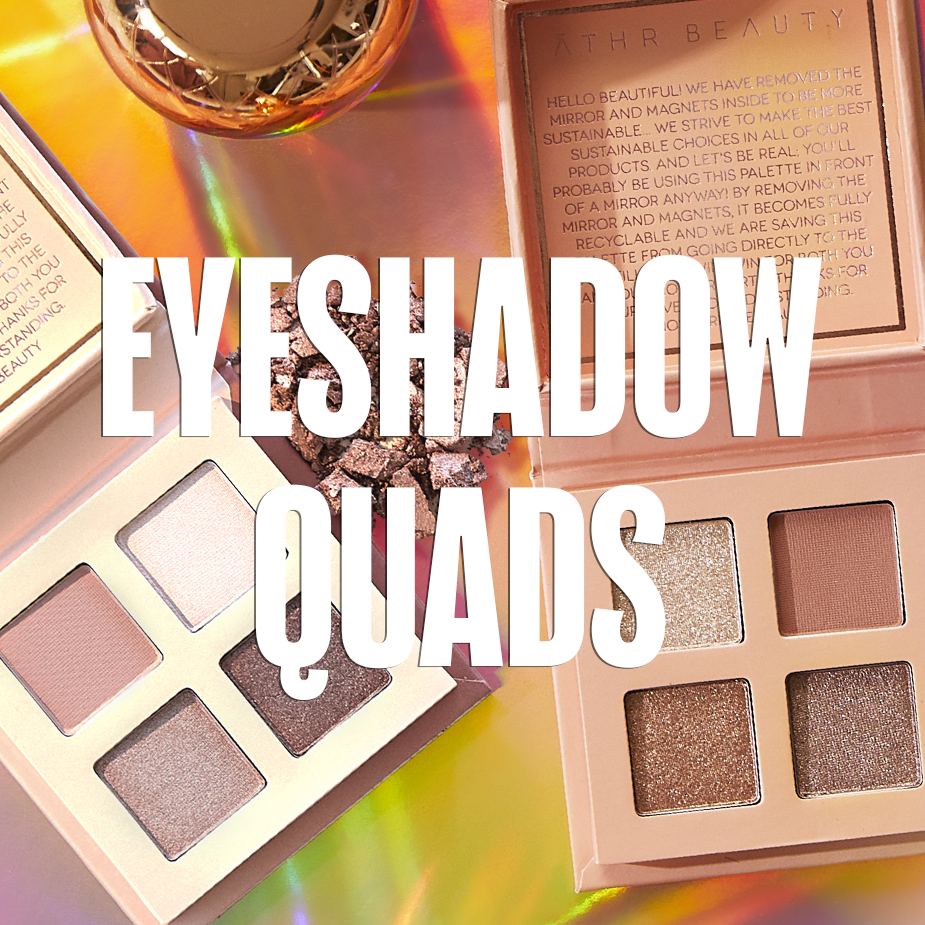
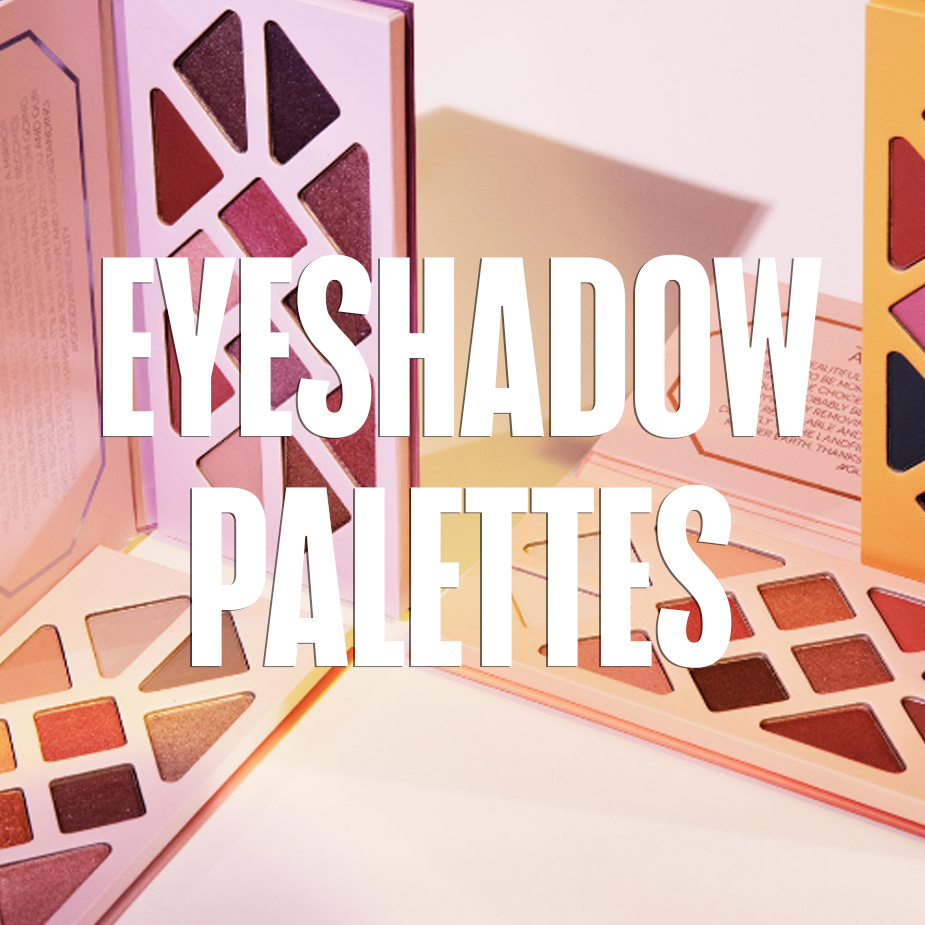

If you’ve ever flipped over a bronzer, blush, or eyeshadow palette, you’ve probably seen talc near the top of the ingredient list.
It’s one of the most common ingredients in powder makeup. It makes formulas feel silky, helps pigment glide, and creates that soft, blendable finish most people expect from a pressed powder formula.
So why has talc become controversial? And is it actually unsafe? Let’s break down what talc is, how asbestos enters the conversation, and why we chose to leave it out entirely.
What Is Talc — And Why Is It in So Much Makeup?
Talc is a mineral that comes from the earth. In makeup, it’s coveted for one reason: texture.
In powder makeup, texture is everything. It’s the difference between a bronzer that melts into the skin and one that sits on top, between an eyeshadow that glides smoothly and one that drags across your lid. Talc has been used for decades because it creates that soft, silky slip people associate with a well-made powder.
It helps pigments disperse evenly, absorbs excess oil, and gives pressed formulas structure so they don’t crack or crumble. It's also super affordable and easy to formulate with — which is why it shows up near the top of the ingredient list in so many conventional bronzers, blushes, and palettes.

Why People Started Questioning Talc
After years of high-profile lawsuits — including multiple multi-billion-dollar cases against Johnson & Johnson — people started asking harder questions about where talc comes from and what could be in it.
Then in 2019, the FDA found asbestos in several cosmetic talc products during its own testing. That’s when the conversation moved beyond baby powder and into the makeup aisle.
And once that happened, the obvious question followed: How does asbestos even end up in talc in the first place?
How Asbestos Ends Up in Talc
Here’s the part most people don’t realize: talc and asbestos (a known carcinogen) often form alongside each other in the earth. And once asbestos fibers are mixed into talc, they’re microscopic and woven right into the material. That means you can’t just “wash the asbestos out” later — it would be like trying to lift pigment that’s baked into a cake.
Detecting asbestos at very low levels requires highly sensitive testing methods, like transmission electron microscopy. Those methods are specialized and expensive — and in the U.S., brands aren’t actually required to test their talc for asbestos contamination before selling products.
The FDA has conducted sampling over the years. In some rounds, no asbestos was detected in the products tested. In 2019, however, the agency did confirm asbestos in several cosmetic talc products.
Then, a proposed federal rule that would have required cosmetic talc to be tested for asbestos was introduced — and later withdrawn before becoming law. As a result, there’s no testing standard across the beauty industry.
Some companies test extensively. Others rely mostly on supplier documentation. There isn’t one consistent standard applied to every product on the shelf.
Why We've Been Talc-Free Since the Beginning
ĀTHR actually started with talc-free eyeshadow palettes. From the beginning, we were focused on creating the most buttery, blendable, crystal-infused powders without ever relying on talc as the base.
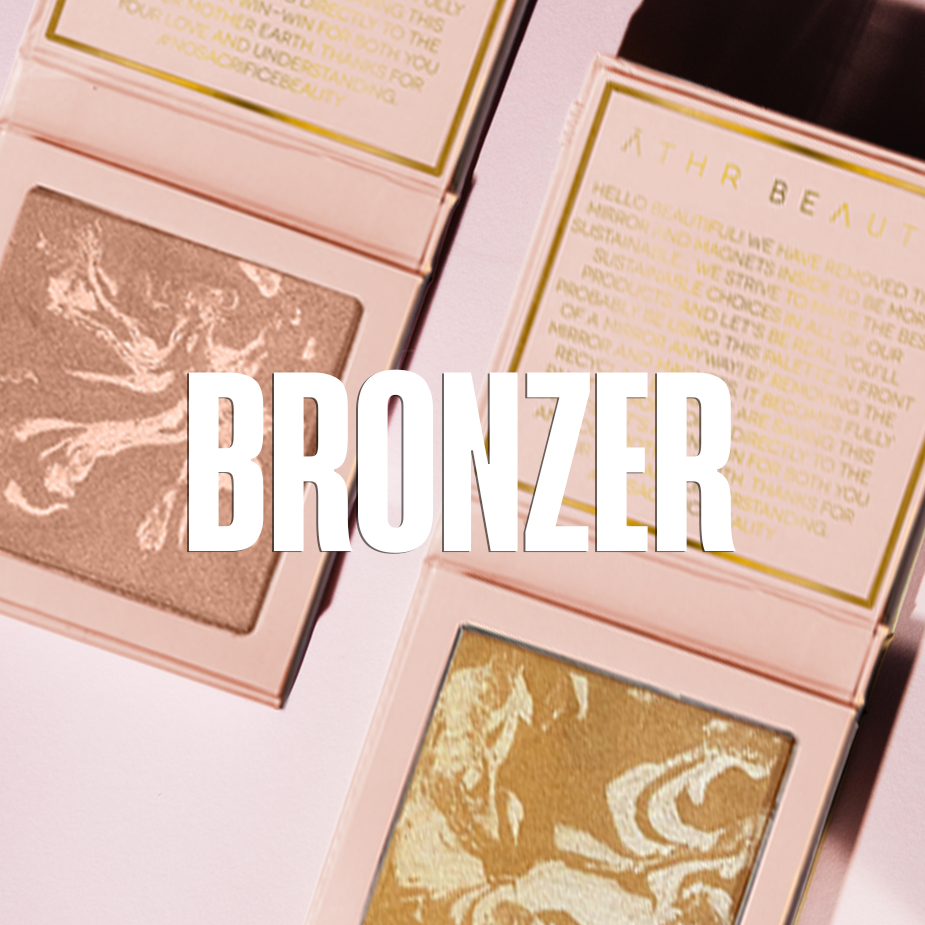
As our community grew, one request kept coming up: could we make a talc-free bronzer that gives that soft, sun-dappled warmth without looking flat or chalky? Something that melts in and diffuses like a dream. If you’ve ever looked, you know this has been near impossible to find.
So of course we made it, and the bronzer love has flowed on in.

Why Talc-Free Matters in Makeup
Powder isn’t something you use once in a while. It’s what you sweep across your cheeks, blend over your lids, warm into your hairline — often every single day.
When an ingredient shows up in multiple products and lives that close to your eyes and nose, it should come with certainty. And talc doesn’t.
So instead of trying to manage that uncertainty, we chose to step around it entirely. We can create an even more velvety texture and luminous, soft-focus glow without talc — so that’s exactly what we do.
Why Talc-Free Powders Are Harder to Find
Talc is often the structural base of a powder formula, and it does a lot. It provides slip, oil balance, volume, and press stability all at once. Remove it, and you have to reformulate from the beginning.
That’s why truly talc-free bronzers and eyeshadows that actually perform — that blend seamlessly, diffuse beautifully, and feel weightless on the skin — can be harder to find. Removing talc means rebuilding the texture from scratch — and getting that balance right takes serious formulation work.
We formulate our powders from the ground up to glide smoothly and diffuse softly without relying on talc at all. The result is deeply pigmented, buttery, blendable powders that melt into the skin instead of sitting on top of it.
Clean shouldn’t ever feel like a compromise.

How to Tell If Your Makeup Contains Talc
If you want to avoid talc, just scan the ingredient list. In beauty products, it's listed simply as “Talc.” You’ll see it most often in pressed powders, bronzers, blushes, and eyeshadow palettes.
If You’ve Used Talc Products for Years
If talc’s been in your makeup bag for a while, don’t worry - you’re not the only one.
Now you understand where the concern comes from — and the good part is, you’ve got options. There are bronzers and shadows that skip talc entirely without giving up blend, pigment, or glow.
From here, you build your bag however feels right for you.
Your Talc-Free Era Starts Here
If you’ve been searching high and low for a talc-free bronzer that gives that soft, sunlit warmth without looking flat — or a deeply pigmented, ultra-rich, talc-free eyeshadow that blends like a dream — you’ve just found your match.
Think buttery pigment, skin-loving glow, and crystal-infused magic in every swipe — minus the ingredient drama.