


The Moon moves in cycles — steady, predictable, and always shifting. It pulls the tides, changes the light, and marks time in a way that’s easy to overlook, but hard to ignore once you start paying attention.
You might feel it in small ways — restless sleep around the full moon, a quieter, more inward energy during the new moon, or that sense that something is shifting even when nothing around you has.
So how does the Moon actually affect us? Some of it comes down to real, physical forces, and some of it comes from how we respond to rhythm, light, and attention.
And once you start looking at it more closely, it’s not as random as it seems.
Quick Answer: How the Moon Affects Us
The Moon affects the Earth through its gravitational pull, shaping natural cycles like the ocean tides.
In humans, the clearest connection shows up in sleep. Around the full moon, people often experience lighter, more restless sleep — a shift that can carry into mood, focus, and overall energy.

The Science – Why The Moon Affects Us
Since the beginning of time, humans have been tracking the Moon, observing its changes, and noticing our undeniable connection with its monthly ebbs and flows. Emotions, our sleep, our menstruation, and our love life have all been linked to the Moon. Why? And how does this happen?
The Gravitational Pull
The Moon exerts a strong gravitational pull that causes the changing tides in our oceans and seas. This gravitational pull is at its strongest during the New Moon and Full Moon, so here, we experience the highest and lowest tides.
Considering we humans are made up of 70% water, it only makes sense that the Moon would have a similar impact on us mostly-water beings. It's thought that at the New Moon and Full Moon, like the tides, our emotions are pulled to the surface and feelings are heightened.
What the science says:
Some researchers theorize that humans are reacting to subtle changes in the Earth’s magnetic field that occur with the Moon phases. When the oceans flow with the tides, the salty water (which is electrically conducting) causes the Earth's magnetic field to fluctuate. These changes have been shown to affect our alpha brain wave activity.
Our Sleep Rhythms
Several studies have shown that people experience 30% less deep sleep during the Full Moon as compared to the rest of the month. Why is this? Researchers believe our internal biological rhythms may be linked to the Moon's cycle.
Changes in sleep can have dramatic effects on your overall mood – causing irritability, decreased concentration and focus, impatience, and elevated levels of the stress hormone, cortisol.
Aligning With The Phases of The Moon
If we’re accepting that the Moon does indeed affect our sleep, our mood, and our emotions, how can we work with this mystical force? How can we sync up with these cycles and align with the flow of nature instead of being a victim of it?
Each phase offers a different kind of energy:
- New Moon → reflection, intention
- Waxing → growth, momentum
- Full Moon → awareness, release
- Waning → slowing down, integration
When you start to notice these patterns, the Moon becomes less of a mystery and more of a guide.

New Moon
What looks to us like no moon (or a dark moon) happens when the Moon is positioned in alignment between the Earth and the Sun. We don’t see the illuminated side of the Moon that’s facing the sun, so it appears dark.
What this means for you: This low-light phase can manifest as low energy for us. We may feel tired, introspective, and ready to indulge in some much-needed introvert time.
How to make the most of this phase: Now is a fabulous time to curl up by the fire, put on some fuzzy socks, and spend some time with yourself. Take time to reflect on how you’re feeling and honor any inklings to stay home, cancel plans, and not return texts today.
Waxing Crescent
'Waxing' means that the illuminated portion of the Moon is increasing. In the waxing crescent phase, only a crescent-shaped sliver is visible to us.
What this means for you: After relaxing, recharging, and reflecting in the New Moon, you’re ready to go forth with new light and added energy.
How to make the most of this phase: Write down your intentions for the coming month, and thank the universe in advance for all the beautiful things you know will be coming your way. Sit down with your crystals and visualize the next manifestation you’re ready to accept in your life.

First Quarter
During this phase, the Moon is at a 90-degree angle to the Earth and Sun. We see half the Moon illuminated and the other half in shadow. In the first quarter, we see what appears to be the right half of the Moon.
What this means for you: This balance of light and shadow reflects the obstacles you’ll start to encounter as you bring your intentions to life.
How to make the most of this phase: Go with the flow of life – embrace the yeses and take the no’s as a signal for redirection. The universe may have bigger plans than you can imagine, and you just need to follow the breadcrumbs that lead to your highest creative potential.
Waxing Gibbous
Just like the Waxing Crescent phase, in the Waxing Gibbous, the illuminated portion of the Moon is increasing towards the Full Moon.
What this means for you: The Waxing Gibbous phase signals redirection, adjustment, and flexibility. Your plans are being challenged, and your patience is being tested.
How to make the most of this phase: Be flexible. Have gratitude for this moment, and look for signs and signals that are directing you to the best course of action. Listen to your inner knowing and trust in your own innate wisdom. Write to your intuition or consult the tarot cards for clues and guidance that you're on the right path.
Full Moon
In this phase, the Moon appears as a full gleaming circle when the Sun, Moon, and Earth are in alignment. Compared to the New Moon phase, the Moon is on the other side of the Earth, so we see the side that’s being illuminated by the Sun.
What this means for you: The Sun and Moon are in opposite zodiac signs during this phase, and you may feel tension, heightened emotions, and extra energy as these opposite energies pull on you.
Why People Feel More Emotional During a Full Moon: Part of this can be linked to sleep disruption — when rest is affected, we're naturally more emotionally sensitive.
There’s also a layer of perception. The full moon is highly visible and widely talked about, which can make people more aware of their internal state. That combination — less sleep, more awareness — can make emotions feel more intense, even if nothing external has changed.
How to make the most of this phase: Observe and have compassion for your heightened emotions. Channel this heightened energy into projects and activities that light you up. If you’re receptive and open, you may see new opportunities bloom from your intention setting earlier in the month.
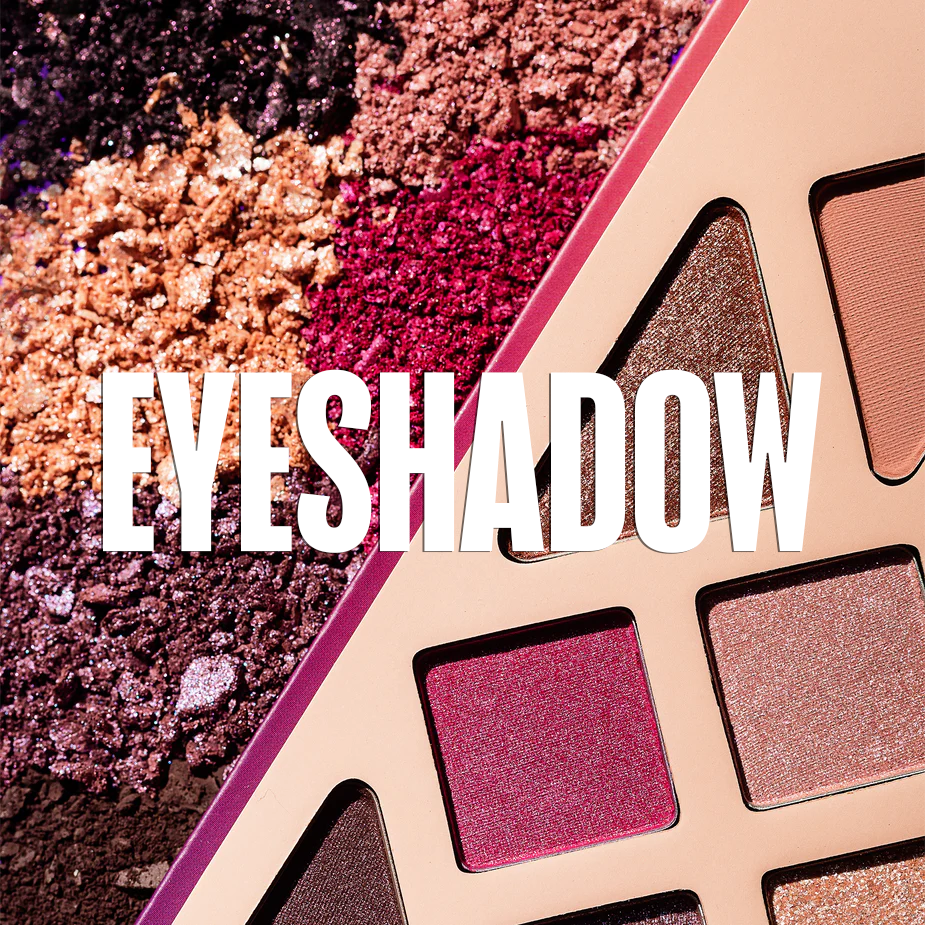
Channel your emotions and energy into creativity and artistry. Paint your lids with all the shades in our Moonlight Crystal Gemstone Palette and feel the flow and creative chi of that delicious full moon energy.

Waning Gibbous
‘Waning’ means that the illuminated portion of the Moon is decreasing.
What this means for you: As the light of the Moon wanes, energy is slowing down and bathing us in feelings of satiation and gratitude.
How to make the most of this phase: Sit down with your gratitude journal, send some thank you notes, or buy your best friend dinner. Share the love that’s rising inside of you, and take this time to reconnect with those you may have neglected (or snapped at) during your high-energy/high-emotion Full Moon phase.
Third Quarter
This phase happens when the Moon is at a 90-degree angle to the Earth and Sun. We see half the Moon illuminated and the other half in shadow. In the Third Quarter phase, we see what looks like the left half of the Moon.
What this means for you: As the light continues to fade, you may feel the need to cleanse, release, and let go.
How to make the most of this phase: Now’s the time to forgive, release resentments and regrets, and purge whatever is no longer serving you – clothes, old makeup, even friendships that are weighing you down. Create a clean slate with space for new manifestations to take root in your life.
Waning Crescent
Just like the Waning Gibbous phase, the illuminated portion of the Moon is decreasing towards the New Moon. In the Waning Crescent phase, we see only a sliver of the illuminated Moon.
What this means for you: The light is almost gone, and you’re ready for rest and recuperation.
How to make the most of this phase: Surrender to the universe and take some time to align yourself with the energy of calm. Relax, relinquish your need to control everyone and everything, and trust that all will be well. Now’s a beautiful time to bring out your crystals, close your eyes, and absorb all that pure, high-vibe energy.
Charging Your Crystal-Infused Palettes Under The Moon
Those magical crystal infusions in all our products? You can maximize their natural healing qualities by exposing them to the pure, powerful energy of the Moon.
How To Charge Your Palettes
Place your crystal-infused palette in a window where it’s directly exposed to the moonlight. Allow it to soak up the powerful cleansing energy while you sleep. And for the highest energetic benefit, charge your palettes under the light of the Full Moon or New Moon.

FAQ: How the Moon Affects Us
Does the moon actually affect humans?
The Moon affects Earth through gravity and light cycles, and some research suggests it may influence human sleep patterns. Any effects on mood or energy are typically indirect — shaped by changes in sleep, awareness, and how we respond to natural cycles.
Why do people feel different during a full moon?
Many people report feeling more emotional or restless during a full moon. This may be linked to subtle changes in sleep, increased nighttime light, and a heightened awareness of the lunar cycle.
Does the moon affect sleep?
Some studies have found that around the full moon, people may take longer to fall asleep and experience slightly less deep sleep. Even small changes in sleep can affect mood, focus, and overall energy.
Does the moon affect mood or emotions?
There is no strong scientific evidence that the Moon directly changes mood. However, shifts in sleep and increased awareness of lunar cycles can influence how emotions are experienced.
Does the moon affect menstrual cycles?
The lunar cycle and the menstrual cycle are similar in length, which has led to long-standing associations between the two. Some small or older studies have explored potential links, but there is no strong scientific evidence that the Moon directly regulates menstrual cycles. Still, many people find it meaningful to track their cycle alongside lunar phases as a way to stay connected to natural rhythms.